What Wildlife You Might See on a Swamp Monster Airboat Tour
A living showcase of Everglades wildlife
The Everglades is a moving water world where grasslands breathe with the seasons and wildlife follows the rhythm of wind and light. Visitors arrive expecting to see an alligator or a heron and leave surprised by how many different species share the same expanse of water. An airboat ride glides across open sloughs and through winding corridors framed by sawgrass, so your view reaches far and your senses tune to the subtler signals that life is nearby. The surface can appear calm one moment and then ripple with a swirl that marks the passing of a fish below. A shadow crosses the path and becomes a kite circling on a thermal. Every corner reveals a new scene because water depth, sky color, and vegetation change from hour to hour. This is why a tour never feels the same twice and why the list of animals you might see stays exciting in every season.
Guests often ask what they are likely to encounter before boarding. The answer highlights a handful of iconic animals that most riders notice on nearly every outing, followed by species that require patience or perfect timing. Sightings depend on recent weather, water levels, and temperature, yet the Everglades remains generous to careful eyes. When you move smoothly through the grass with a knowledgeable captain who reads the clues on wind and water, the marsh begins to share its secrets. This guide introduces the animals that define a classic experience, the rarer residents that become the story you tell friends for years, and the seasonal habits that help you plan the right time of day for the view you want.
Iconic animals that guests love to spot
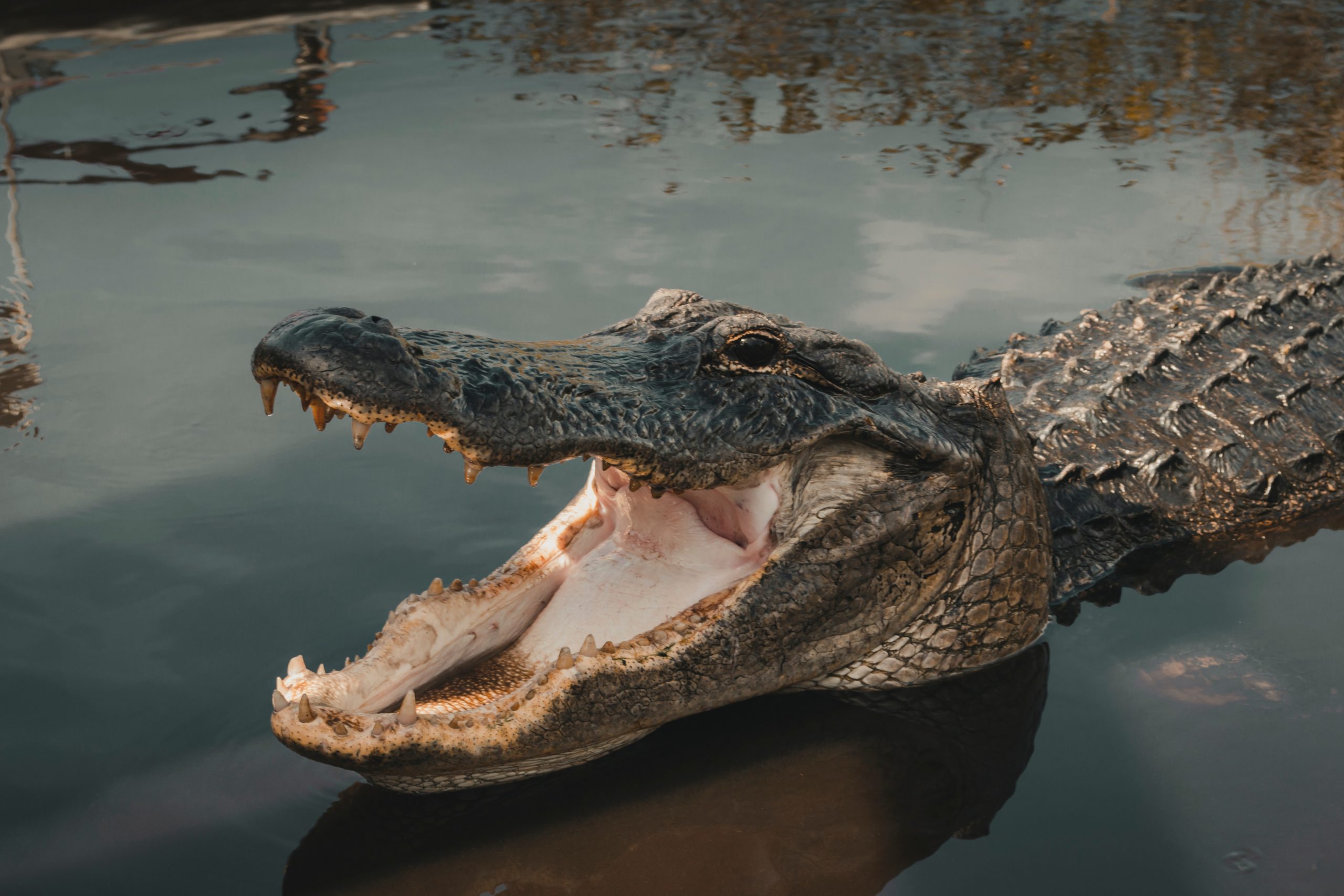
Alligators are the stars that most people hope to see, and the river of grass rarely disappoints. These ancient reptiles rest along sun warmed banks, float with only eyes and nostrils above the surface, and slip through channels with a calm grace that draws every gaze. On cool mornings they favor patches of light where they can gather warmth. During a calm afternoon they may hold just below the surface and rise slowly as a boat passes at a respectful distance. A captain who knows the bends and backwaters will angle the boat to avoid wake and shadow so you can watch quietly as an animal surfaces, blinks, and settles again. The moment is simple and unforgettable, and it teaches what the landscape values most, which is space and calm attention.
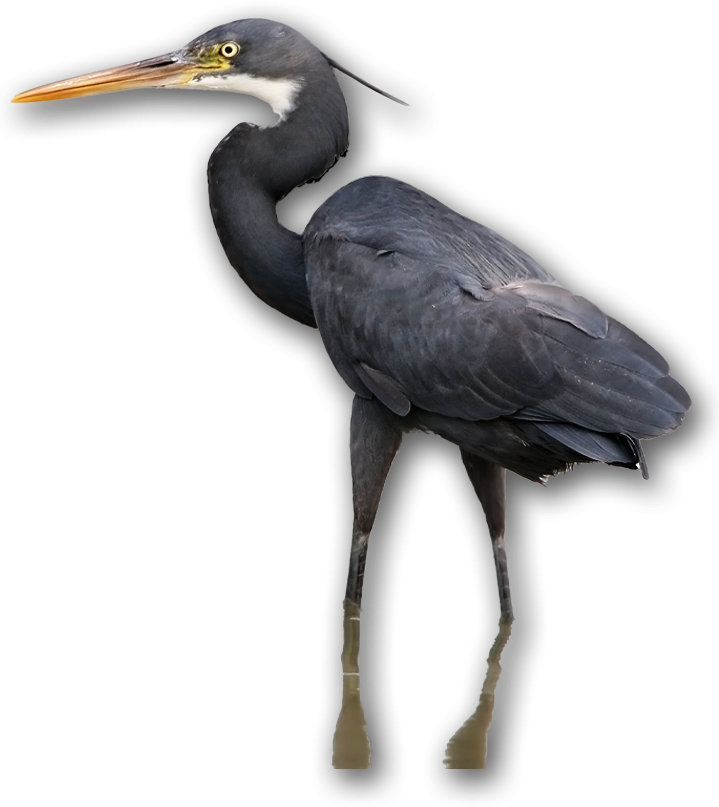
Bird life gives the Everglades its constant motion and sound. Great blue herons stand with the poise of statues while their eyes track the slightest ripple in a pool. Tri colored herons pick along the edge with quick steps and short dashes. Snowy egrets hunt with bright feet that stir small fish from hiding. Wood storks cruise above with slow wingbeats and descend in groups to feed when shallow water concentrates prey. Roseate spoonbills add a blush of color that reflects on the water when the light is right. Anhingas spread their wings to dry after a dive and cormorants work the same waters with equal skill. Overhead you may see ospreys with fish clutched in bright talons and a red shouldered hawk calling from a perch. The variety is wide in every month, and the choreography of these birds around feeding areas can feel like a clinic on patience and timing.
Turtles complete the trio of favorites that appear often on tours. Florida softshell turtles rise to breathe and then slide away with a ripple, while cooters climb a half submerged log to bask with necks extended toward the sun. On warm days you may spot more turtles in the same stretch as if the whole neighborhood decided that this log is the best seat in the marsh. Young guests love these sightings because they are easy to understand and fun to watch, and photographers appreciate the steady poses that a basking turtle will hold while they frame the shot.
Fish activity threads through all of these scenes and explains much of the movement you will notice. Gar roll in the shallows, bass strike along the edges, and schools of small fish sparkle as they turn. When water draws down, fish gather in natural channels, which invites wading birds and reptiles to concentrate in the same places. When water rises, fish push into new flats and the entire food web spreads outward. A guide points out these patterns as the boat moves, and soon guests begin to predict where the next heron will hunt or where an alligator might choose to settle.
Elusive and rare creatures you may encounter
Some animals are part of the Everglades story yet prefer to remain unseen. The Florida panther lives at the farthest edges of most tours and travels at dawn and dusk through cover that keeps it safe. A sighting is exceptionally uncommon and never promised, but every so often a quiet evening ride includes a glimpse of a tawny form moving across a distant trail. When that happens, time seems to stop and everyone aboard knows they have witnessed something that belongs entirely to this place. Even without a sighting, learning about the role of the panther as a top predator adds depth to the way you see the ecosystem.
Manatees come and go with changing water and temperature. These gentle giants navigate channels to graze in calm coves and move toward warmer outflows during cool spells. Encounters are serene, marked by soft swirls and a broad back lifting gently before sliding away. Captains follow strict guidelines that protect the animals and keep riders at a respectful distance, which preserves the calm atmosphere of a meeting that feels like a gift. Manatee sightings are more likely in certain corridors and seasons, and your guide will know when those windows open.
The American crocodile shares habitat with alligators near coastal reaches and brackish waters. It is less common in interior routes but remains a thrilling possibility in the right zones. The long slender snout and lighter color distinguish it from its relative, and a careful guide will help you see the difference. As with all wildlife, sightings depend on water level, temperature, and time of day. The surprise of meeting a crocodile reminds riders that the Everglades touches the sea and that fresh and salt water blend in ways that shape the lives of many species.
Other elusive residents add texture to a day on the water. Otters play along quiet banks and slip through tangles of roots with a grace that seems to ignore gravity. Snakes bask near the edge and vanish the moment they sense movement, leaving only a whisper in the grass. Rare birds appear as travelers at the edge of their range, especially during migration. Even when these animals stay out of sight, guides share stories and signs that reveal how they use the landscape, which lets guests imagine the hidden paths that cross their route.
Seasonal behavior and the best way to improve your chances
Seasons in the Everglades hinge on water and temperature, and animals respond with predictable habits. During the cooler months water tends to recede and gather in channels and sloughs. This brings fish and birds into close company and increases the odds of seeing a variety of species in a small area. Alligators use exposed banks to warm themselves and may hold their pose through long quiet moments, which makes observation simple and respectful. Airboat rides in this window feel crisp and clear, and sightings often come one after another as the boat traces the life lines that the season draws across the marsh.
During the warmer rainy months water lifts across the prairies and opens new habitat over a vast area. Fish disperse into fresh feeding grounds and birds follow the food. Alligators travel through a larger territory and rest deeper within vegetation. The landscape turns a deep green and the sky builds towering clouds that reflect on every surface. Sightings still come steadily, yet they are often framed within a grander scale of scenery. Captains adapt by choosing routes that take advantage of water depth and wind direction, which guides guests to quiet corners where the view is wide and the sense of space is profound.
Time of day also plays a role in both seasons. Early light brings a gentle mood, cooler air, and calm water that helps you notice the smallest movements. Midday brightens colors and draws turtles and alligators to favored resting spots. Late afternoon creates long shadows and warm tones that photographers adore, and evening often invites a burst of activity as animals feed before night. The choice depends on your goals. Families who value comfort may love a morning ride. Photographers who chase drama may wait for sunset. Your guide listens to what you want to see and chooses a plan that fits.
A few simple habits improve every guest’s chance of spotting animals while keeping the experience kind to the marsh. Move quietly when the captain pauses and points. Give your eyes time to adjust to reflections and look for shapes rather than colors. The curve of a reptile’s back may appear first as a line that divides light and shadow. A bird may reveal itself by the faintest ripple that moves opposite the wind. Wear colors that blend with the setting so you feel like part of the scene rather than a spotlight. Most of all, let your attention rest on the present moment, because wildlife rewards patience more than excitement.
How a skilled captain shapes what you see
Experience on this water is the difference between a ride that scans the surface and a ride that reads the story beneath it. Captains study wind, cloud cover, and the direction of flow to predict where animals will be most comfortable. They recognize paths that remain open at low water and know when a storm has pushed fresh fish into a lagoon that is rarely active. They steer in ways that reduce wake and shadow so wildlife remains calm. When the boat rests in a quiet cove the captain becomes a storyteller, describing how a heron chooses its hunting ground or how an alligator senses the motion of prey. Guests who listen closely start to see that the marsh is not random. It is a living pattern that reveals itself to careful attention.
Safety and respect guide every approach. Wildlife observation works best when animals do not change behavior because of your presence. The boat maintains space and avoids sudden movements. Voices stay soft and gear stays secure so nothing disturbs a nesting bird or a resting reptile. A code built on care ensures that future guests will enjoy the same scenes and that animals continue to use the same favored spots. This ethic is part of every Swamp Monster tour and forms a shared promise between riders and the water that carries them.
Stories the marsh tells through the year
Each month writes a chapter that feels distinct. In the heart of the cool season, clear air and low humidity create visibility that seems endless. The ground sounds like glass under the skimming boat and birds gather where water narrows. In the warmth of summer the sky becomes a theater of cloud towers and silver rain curtains. Dragonflies patrol bright corridors after a shower and butterflies drift over flowers at the edge of the trail. Night brings its own chorus and a sense that the marsh stretches far beyond the horizon. Guests who return in different months often feel as if they have visited two different parks that share the same soul.
Even within a single day the narrative shifts. Morning favors hunters that rely on cool air and calm water. Afternoon invites basking reptiles and lazy schools of fish that drift under bright light. Evening softens edges and paints every reflection with gold, then with rose, then with the violet of the first stars. The boat passes through this sequence with steady grace, and the captain selects places that make the most of the moment. The beauty of an airboat tour is that you are close enough to feel the changes and far enough from shore to see the full sweep of the scene.
Why wildlife makes the tour unforgettable
Memories last because they connect emotion to detail. A child sees an alligator lift its head and hold still as the world goes quiet. A couple watches a spoonbill catch light on its wings and leave a pink reflection that lingers in the mind. A family shares a laugh when a turtle slips from a log in a clumsy splash that breaks the tension of waiting. These moments belong to the people who were there, yet they also belong to the place that made them possible. The Everglades turns simple encounters into stories because the setting is vast and wild yet welcoming to visitors who travel with respect.
Wildlife is the heart of that story. It proves that the marsh is healthy and that the cycle of water continues. It teaches patience without a lesson plan and rewards quiet curiosity with sudden flashes of life. Guests leave with new attention for small signs, like the way a ripple moves against the wind or the way a bird tilts its head to read a current. They also leave with a bond to a landscape that feels alive in every direction. That feeling draws people back and turns a single ride into a tradition that families repeat with new generations.
Plan your ride and browse tour highlights
If you want a preview of what guests have enjoyed in recent weeks, explore the photo stories and short clips collected in our photo gallery. These images show the variety you can expect, from close looks at alligators and turtles to sweeping views of birds lifting from a pool at sunrise. For a quick look at favorite moments that guides love to share, visit our tour highlights page. Then pick a time that matches the scene you have in mind, whether that is a cool morning with clear air or a glowing sunset after a summer shower. The marsh is ready to tell its story. Climb aboard and let the next chapter begin.
Wildlife is free to roam and sightings vary with season, water level, and weather. Captains follow best practices for safe viewing and respectful distance at all times.
Back to Blogs