Sawgrass vs. Mangroves: Which Everglades Terrain Should You Choose?
Two landscapes, two styles of adventure
The Everglades offers two signature looks that shape everything you feel on an airboat ride. Sawgrass prairies open like a wide ocean of green with long sightlines, big sky, and graceful curves that invite sweeping turns across shallow water. Mangrove country trades that openness for intimacy inside living tunnels where branches knit overhead and roots lace the banks in intricate patterns. Both places are wild and both are beautiful, yet they ask you to pay attention to different kinds of detail. In the grass you feel space and speed and the rhythm of wind across open water. In the mangroves you feel shade and quiet and the closeness of wildlife that blends into the lattice of leaves and branches. Choosing between them comes down to your style, your comfort with sunlight and breeze, your interest in photography or birding, and the kind of story you want to tell when you step back onto the dock.
Visitors sometimes imagine that one terrain is better than the other, but the truth is kinder than that. These landscapes are two sides of one connected system and each one reveals qualities the other keeps hidden. Sawgrass shows the scale of the marsh and the way clouds paint moving light across miles of water. Mangroves show the textures of a tidal edge where freshwater meets a taste of salt and where shelter becomes a magnet for fish, birds, and small mammals. Guides know how to read wind, water level, and season to pick the terrain that will make your day sing. If you already know what you want, this guide will help you choose. If you are still deciding, it will help you match today’s goals to the route that fits.
The case for sawgrass and the River of Grass feel
Sawgrass prairies deliver the classic Everglades view that lives in postcards and in memory. The boat rises onto a gentle plane, the hull skims like a skipping stone, and the horizon stretches far in every direction. Sunlight glints off narrow channels that weave through a quilt of grasses, and distant birds appear as white strokes that lift and settle in a soft rhythm. The feeling is freedom without hurry. Because sightlines are so long, your eyes can relax and track movement far ahead. Families often find this terrain soothing because there is no sense of confinement. Everyone can look out, point to a feature, and share the view without leaning or shifting in their seat.
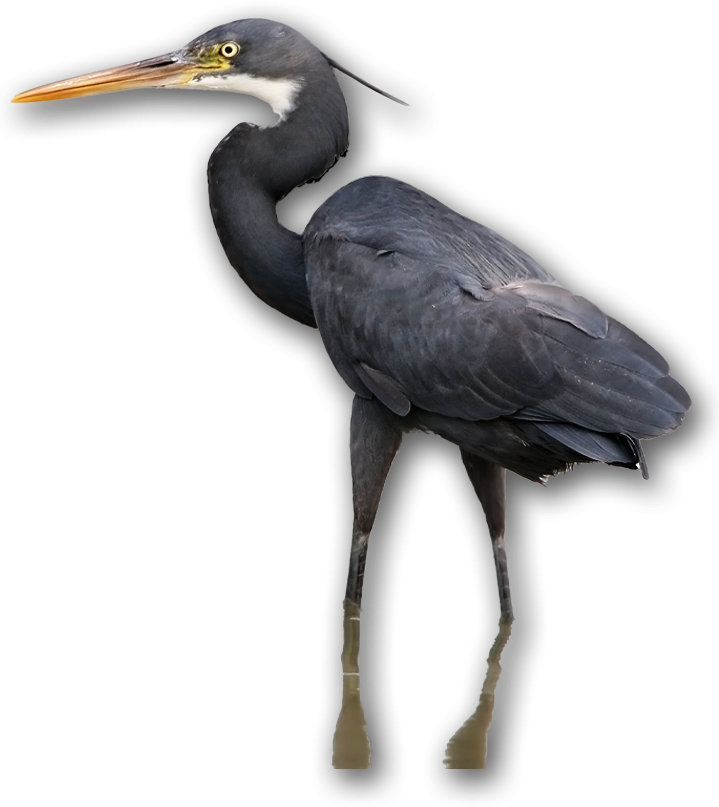
Wildlife in sawgrass plays out as a drama of edges. Where a slough deepens and a channel narrows, fish gather and birds respond. Great blue herons post themselves like sentries and strike with sudden precision. Anhingas surface after a submerged chase and lift wings to dry in the sun. Alligators cruise with only a pair of eyes and a hint of snout above the surface, then angle toward a sun warmed mat where they can rest in perfect stillness. Turtles climb a half hidden log that yesterday sat beneath the waterline. When dry season lowers water across the prairie, this concentration effect becomes even stronger and sightings stack up with satisfying regularity. Photographers appreciate how clean backgrounds make it easy to separate a subject and how reflections form smooth bands of tone that flatter every frame.
The ride quality over sawgrass is part of the appeal. With water spread thin across the flats, the boat glides with a silky slide. Turns feel wide and flowing and the breeze washes across the deck in a steady stream that cools without chilling. Mornings carry a crisp clarity that keeps colors true and that makes far away features look close. Afternoons add warmth and deepen greens, while evenings pour gold across the prairie and send shadows stretching like ribbons. People who love pictures of sky will never run out of material in this terrain and people who travel for a sense of spacious calm will find exactly that.
Comfort in open marsh is straightforward. A brimmed hat and sunglasses control glare, a light layer guards against morning chill, and sunscreen does the quiet work that makes the day easy. Mosquitoes struggle to keep up with moving air over the flats, so most riders notice them only at the dock or near vegetation. The soundscape is gentle. Wind in the grass hums below the fan, then settles into silence when the captain pauses to interpret what you see. Children who are new to boats often warm to the experience quickly in this setting because the openness feels friendly and the motion is smooth and predictable.
The case for mangrove tunnels and the intimate side of the Everglades
Mangrove routes pull you into a living architecture built from roots and branches. Overhead, canopies braid into cool green rooms where light filters down in moving patches. At eye level, prop roots rise from the water like curved stilts and form pathways that invite small fish and crabs to move in and out with the tide. The ride here feels like a guided whisper rather than a shout. The boat slips into narrow corridors, slows at tight bends, and rests where the channel widens so eyes can adjust to the puzzle of shape and shadow. This intimacy rewards patience. You begin to see how perfectly a night heron can disappear against a trunk and how a juvenile heron hides mottled feathers among leaves of the same tone. The terrain invites you to lean into detail and that attention becomes the day’s greatest pleasure.
Wildlife in mangroves favors tucked away corners. Green herons work the edges with quick steps and a coiled strike. Yellow crowned night herons hold still on a root and then shift one measured pace to a better angle. Kingfishers rocket past with a rattle and loop back to a vantage where they can watch the channel. In brackish reaches closer to the coast, mullet jump in bright arcs and leave rings that wander outward until the pattern dissolves. Bottlenose dolphins sometimes explore these same waters where wider channels permit, and manatees lift a broad back with a gentle swirl in calm pockets. Alligators favor the fresher side but often travel the same corridors, and a careful captain can position the boat so that an animal feels no need to move at all.
The mangrove experience is comfortable in a different way. Shade keeps the temperature pleasant even when the sun is strong and makes midday rides appealing for guests who prefer to avoid direct sun. The air often sits still under the branches, so repellent is a useful companion, yet the calm has benefits that photographers love. Without constant breeze, reflections settle into a mirror that doubles every branch and every beak. Focus becomes easier when the subject is close and the background softens into a curtain of leaves. Sound travels differently here. You hear a fish break the surface behind you or the faint tap of a crab on a root and you turn to find the source in a small circle of light. The tunnel teaches a slower gaze and the reward is a set of encounters that feel personal.
Navigation inside these channels depends on tide, rain, and season. Guides read water level, color, and current to choose paths that remain friendly to wildlife and safe for the hull. On days when the freshwater side offers more room, a route may start in grass and finish under branches. On other days the tunnel itself holds the best light, so the plan favors longer pauses and more time to notice how the place breathes. If you bring a camera or if you like to look closely at textures in bark and leaf, this terrain feels like a custom built studio shaped by nature.
Which terrain matches your goals today
Every rider carries a different picture of the perfect day. Families with young children often choose sawgrass first because the openness feels welcoming and because the boat can move at a graceful pace without tight turns. Children love the sensation of gliding across a green sea and spotting birds from far away as they line the channels. Parents love the easy comfort of open air and the way the landscape tells its story in broad strokes that are simple to follow. If your group includes someone who is new to boats or unsure of how the fan will sound, an open route is a gentle introduction that builds confidence from the first minute.
Photographers weigh their choice against light, background, and the style of image they prefer. Sawgrass gives drama and scale with skies that command attention and clean lines that flatter flight shots. Tunnels give intimacy and texture with soft light and close distances that reward careful focus. If you hope to capture a heron with a perfect reflection, mangroves in calm air create a sheet of glass that is hard to beat. If you hope to capture a spoonbill or an egret crossing a field of sky, grassland offers a canvas that makes every wingbeat look heroic. Many photographers return for both and build a set that tells the full story of the Everglades from wide to close.
Wildlife enthusiasts who count species often think about season and water level. In cool months when water draws down, sawgrass can stage a parade of birds and reptiles in a short stretch, which makes lists grow quickly. In warm months when water rises and spreads life across new habitat, mangrove edges collect a different cast that includes shade loving species and visitors that prefer shelter from wind. The right answer can change week by week. Guides track these shifts and help you choose the route that offers the best chance to see the animals that interest you most on that particular day.
Sensitivity to sun and breeze also matters. If you prefer to limit direct sun, mangrove shade is a gift and makes midday rides comfortable. If you love the feel of wind on your face and want the sense of wide motion, sawgrass is the natural pick. Guests who deal with motion sensitivity often find both terrains agreeable because airboats slide rather than bounce, yet central seating in open marsh can feel most stable. If someone in your group uses a mobility aid or simply prefers the shortest step during boarding, mention it when you check in. Crews are practiced at positioning the boat for easy access and will recommend seating that keeps comfort high while still offering a generous view.
Adventurers who crave variety may choose a blended route when conditions allow. A ride can begin across bright open water where the sky seems to spill into the marsh and then ease into a green corridor that smells like leaves and tide. The contrast heightens your senses and makes each section feel more vivid. You notice the color shift as shade gathers and then dissolves, the change in sound as wind becomes quiet, and the way your own voice softens in response. This combination day delivers a rich narrative that surprises first timers and delights returning guests who want to feel something new.
How season and weather shape both choices
Seasons in the Everglades are a story of water. During the dry window from late fall through early spring, water typically recedes and concentrates life along sloughs and channels. Sawgrass routes shine in this period because edges come alive and visibility stretches far. Skies are clear, humidity is low, and the air feels crisp in the morning. Mangrove corridors remain lovely, and the contrast between open sun and cool shade can feel luxurious when you shift from one to the other. During the wet window from late spring through early fall, afternoon clouds climb high and rain showers wander across the landscape. Water rises and spreads, and mangrove shelter grows more important for fish and birds that seek a break from wind and sun. Sawgrass remains beautiful, yet the day leans toward sweeping scenes rather than tight clusters of activity in one spot.
Weather within a single day also plays a role. Calm mornings favor reflections in tunnels and gentle slides across the flats. Midday brightens grassland colors and invites turtles to bask along edges where children can spot them easily. Late afternoon often delivers the most dramatic light in both terrains. In open marsh the sun sets in long stripes across the water, while inside a corridor of trees the glow collects in warm patches that make every leaf seem lit from within. Captains watch radar and sky the way a sailor does and adjust pace and path so that brief showers become part of the show rather than a disruption. Riders who relax into these changes discover that the most memorable photographs often arrive five minutes after a rain when the air turns clear and the surfaces shine.
Getting ready for the terrain you pick
Preparation is simple and makes either choice easier. For sawgrass, bring sunglasses with good coverage, a brimmed hat with a secure fit, and a light layer for morning rides so the moving air feels pleasant. For mangroves, add a small bottle of repellent and consider a camera cloth to clear fine mist from lenses in the cool shade where water beads can linger. Closed toe shoes help with boarding in both settings and a small reusable bottle of water keeps everyone fresh between pauses. If you plan to film, mention it during the briefing so the captain can guide you to the seat that best matches your lens and your style. The crew loves helping guests bring home images and memories that look and feel like the day itself.
Questions before departure are welcome and encouraged. Ask about today’s water level, ask which birds have been active this week, ask whether manatees have been moving through the brackish reaches, and ask which route has offered the calmest air for families with young children. The answers change and that is part of the joy of a living wetland. Guides delight in sharing what the landscape is doing right now and your curiosity helps them shape a ride that feels personal. Nothing in this place is static, and that living quality is the secret that keeps locals coming back again and again.
Choose your terrain and start your story
There is no wrong answer when the choices are green sky over open water or green rooms under interlaced branches. If you want vast horizons, the signature River of Grass feel, and the friendly rush of wind across the deck, choose sawgrass and lean into that sense of freedom. If you want shade, close encounters with detail, and the quiet thrill of slipping through natural tunnels where every turn reveals a new vignette, choose mangroves and enjoy the calm. If you want both in one day and conditions look right, let your captain blend routes so the Everglades can show off the full range of its character. The best way to finalize your pick is to look at today’s options and match them to your mood and to your group. A quick glance at our side by side overview will help you compare routes at a glance and feel confident about your decision.
When you are ready to lock in a plan, visit our tour type comparison to see how routes differ by terrain, season, and time of day. You can also call with questions about accessibility, comfort preferences, and photo goals. The team will match you with the captain and the terrain that fit. The Everglades is waiting, the grasses are moving, the mangroves are breathing with the tide, and your seat is ready. Step aboard and let the water tell its story in the landscape you choose.
Wildlife is free to roam and sightings vary with water level, temperature, and season. Captains maintain safe and respectful distance near animals and may adjust routes to protect habitat and comfort for every guest.
Back to Blogs