Best Time to Visit the Everglades: Dry vs Wet Seasons
Why Season Matters
The Florida Everglades is one of the most unique ecosystems in the world, stretching across vast wetlands, sawgrass prairies, and mangrove forests. For visitors planning an airboat tour in the Everglades, timing is everything. Unlike destinations where the weather varies only slightly, the Everglades transforms dramatically between the dry and wet seasons. Each season offers distinct advantages and unique challenges, making it important to choose the time that best matches your expectations. Whether you want maximum wildlife visibility, fewer crowds, or lush scenery, understanding seasonal differences helps you create the perfect adventure.
Florida’s subtropical climate divides the year into two major seasons: the dry season from November through April and the wet season from May through November. Both are worth experiencing, but they deliver very different conditions. For many first-time visitors, the question is not just when to go, but what they want to experience once they arrive. Let’s take a closer look at how each season shapes the Everglades and what it means for your airboat ride.
Dry Season in the Everglades (November – April)
The dry season is the most popular time to visit the Everglades. From November through April, rainfall decreases, temperatures cool slightly, and humidity levels drop. Average daytime highs range from the mid-70s to mid-80s Fahrenheit, creating comfortable conditions for outdoor exploration. Visitors from colder states often flock to South Florida during this time to escape harsh winters, making it the busiest season for tourism.
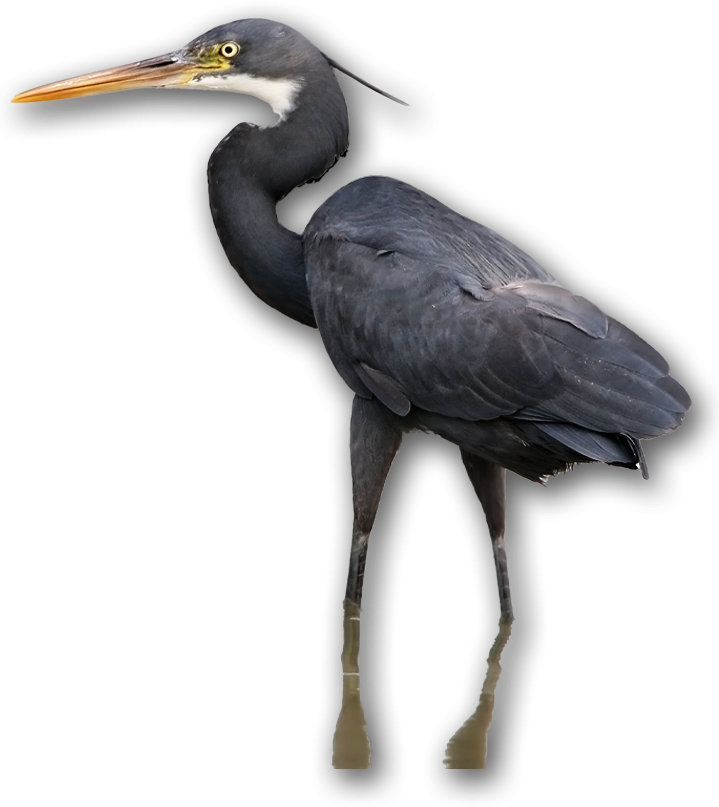
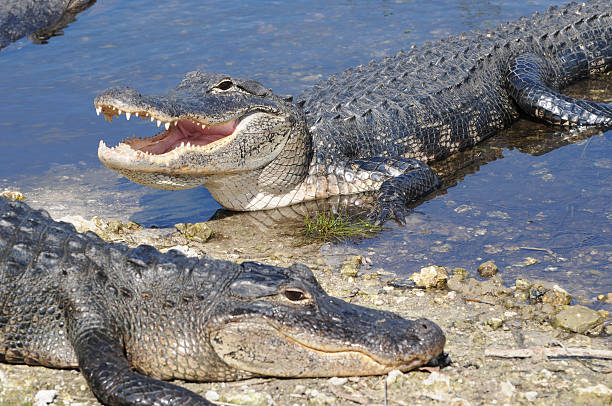
One of the biggest advantages of the dry season is wildlife visibility. As water levels drop across the wetlands, animals congregate around permanent water sources such as sloughs and alligator holes. This concentration makes it easier to spot iconic species like American alligators, turtles, and wading birds. Birdwatchers in particular treasure this season, as migratory species including herons, egrets, and roseate spoonbills are abundant. For many, this is the quintessential Everglades experience—sunshine, comfortable weather, and an abundance of wildlife around every corner.
Dry season also reduces insect activity. Fewer mosquitoes and biting insects make tours more enjoyable, especially for families and first-time visitors. With less standing water, trails and boardwalks remain more accessible, allowing guests to combine airboat rides with walking tours of nearby national and state parks. The overall atmosphere feels calmer and easier to navigate, making it a favorite for travelers seeking both comfort and adventure.
Wet Season in the Everglades (May – November)
The wet season, stretching from May to November, is characterized by heavy afternoon showers, high humidity, and lush green landscapes. Temperatures rise, often reaching into the 90s, and rainfall replenishes the wetlands. While some may avoid the Everglades during this period, those who do visit often discover a completely different beauty. This is when the Everglades feels most alive, bursting with growth, energy, and dramatic scenery.
During the wet season, fewer crowds venture into the parks and tour areas. For visitors who prefer a more private, intimate experience, this is the perfect time. Airboat tours often feel more personal, with smaller groups and fewer boats on the water. Landscapes transform as sawgrass prairies become shimmering rivers, and mangroves appear denser and greener than ever. Photographers love this season for its dramatic skies and vibrant reflections after summer storms.
Wildlife spotting is different compared to the dry season. Animals spread out across the expanded water systems, making them slightly harder to find. However, this dispersal offers unique sightings. Frogs, fish, and insects flourish, supporting nesting birds and active reptiles. Summer is also the time when alligators nest, creating opportunities to observe fascinating behaviors from a safe distance. For those who enjoy lush landscapes and are comfortable with Florida’s warm, tropical environment, the wet season provides unmatched authenticity.
How Seasons Affect Airboat Experiences
The choice between dry and wet season has a direct impact on your Everglades airboat tour experience. During the dry season, airboats glide across lower water levels, concentrating encounters with wildlife along narrow channels and sloughs. You may find yourself surrounded by dozens of birds or spotting multiple alligators within minutes. The crisp air and lower humidity make the ride comfortable and refreshing, ideal for families and groups seeking predictable conditions.
In contrast, wet season airboat rides feel more adventurous. Higher water levels allow boats to explore areas inaccessible during the dry months, such as flooded prairies and remote mangrove tunnels. While wildlife may be more dispersed, the scenery feels wilder and more expansive. Guests often describe it as exploring a living, breathing rainforest on water. The lush greenery and dramatic cloudscapes provide stunning backdrops for photos, and the smaller crowds mean more opportunities for personalized interaction with guides.
For thrill-seekers, the wet season’s weather adds excitement. Quick-moving storms and sudden bursts of rain create dramatic moments on the water. Professional captains know how to navigate these conditions safely, turning each ride into a dynamic, unforgettable experience. Choosing the right season for your tour depends on whether you prefer comfort and predictability or lush beauty and adventure.
Tips for Choosing Your Ideal Time
Deciding on the best time to visit the Everglades comes down to personal priorities. If your goal is maximum wildlife visibility and comfortable weather, the dry season from November through April is your best bet. Be prepared for larger crowds and book your airboat tour in advance, as demand is high during winter and spring. For families or first-time visitors, this season provides a well-rounded introduction to the Everglades ecosystem.
If you prefer fewer crowds, dramatic scenery, and do not mind the heat, the wet season offers a more intimate experience. May through November reveals the Everglades at its greenest, with expansive waters and thriving plant life. Afternoon storms add drama, and summer skies create breathtaking photography opportunities. This season rewards travelers who embrace Florida’s tropical climate and want to see the Everglades in its most natural state.
Regardless of when you visit, preparation is key. Bring sun protection, bug repellent, and comfortable clothing. For wet season trips, waterproof gear is highly recommended. Always follow safety instructions from your captain, and take time to learn about the ecosystem.
Choosing the Right Season for Your Everglades Adventure
The Everglades is not a one-size-fits-all destination. It transforms dramatically between dry and wet seasons, each offering distinct benefits. The dry season delivers abundant wildlife, pleasant weather, and easy exploration. The wet season provides lush landscapes, fewer crowds, and adventurous airboat rides through flooded prairies and mangrove tunnels. By understanding the differences, you can choose the time that matches your goals, whether that means birdwatching, photography, or simply enjoying an unforgettable ride.
Every visit to the Everglades supports eco-tourism and conservation. No matter when you go, your experience contributes to the protection of this globally significant ecosystem. Ready to plan your adventure? Explore our booking page to secure your tour and see why both seasons reveal a different but equally magical side of the Everglades.
Back to Blogs