Airboat Tour Safety & What to Bring for Your Swamp Monster Ride
Where fun and safety meet on the water
An airboat tour should feel like freedom. The hull rises, grass parts in a bright ribbon, and the breeze carries that clean scent of water and sun. Fun comes first in every guest’s mind, yet the real secret behind an easy, carefree ride is a culture that puts safety in front of every decision. When the team treats safety as the foundation, families relax, photographers focus on the next scene, and first time riders feel ready for the thrill that drew them here. This guide explains how your boat and crew protect you, what to bring for comfort and confidence, and how to prepare children and first timers so everyone steps off the dock feeling proud of the choice to explore a living wetland by airboat.
Every tour day begins with simple habits that keep guests at ease. Captains check weather, water routes, and equipment before you arrive. Crew members prepare life jackets in a range of sizes, set out ear protection, and confirm that seating is arranged to balance comfort with visibility. The results show as soon as you step aboard. The boat feels tidy and ready, the briefing is clear, and the plan for the day matches the conditions on the marsh. You should feel welcomed, informed, and excited. That balance is the heart of a tour that feels adventurous while staying within a framework designed to care for you and for the Everglades you came to experience.
How the boat and crew keep you safe from dock to dock
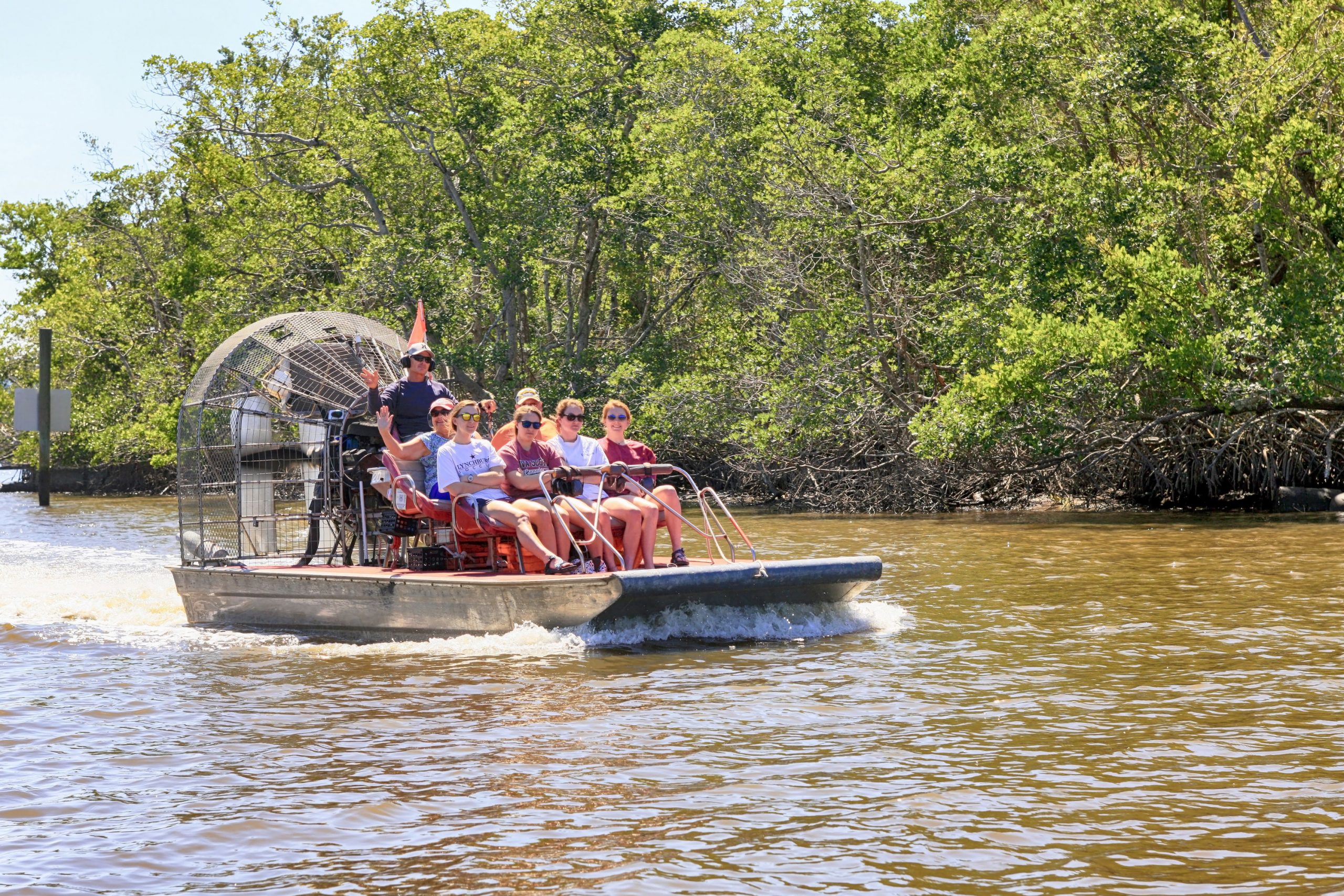
Confidence begins with the boat itself. The hull is built to handle shallow water with a smooth glide that limits jarring movement. Seating is secure with clear foot placement and handholds within easy reach. Many seats are slightly elevated relative to the deck so your sightline clears the bow, which helps you enjoy the view while maintaining a natural seated posture. The captain positions the boat for boarding so that guests step down or across with stability, and crew members offer a steady hand without rushing the process. You should feel that no one is in a hurry and that questions are welcome at any moment.
Safety gear is predictable and visible. Life jackets are stowed where crew can reach them quickly and are available for every age and size. Children receive special attention to ensure a comfortable fit that does not ride up when seated. Ear protection is provided and explained before departure so guests can choose the style they prefer. The captain checks that hats and loose items are secure and that cameras have straps before the engine comes up to speed. These small steps make a big difference once the fan begins to spin and the boat moves onto open water.
Briefings are short, friendly, and full of useful detail. The captain explains how to sit during acceleration and how to brace during gentle turns. Guests learn when to expect a change in speed and why the captain may slow near wildlife or narrow channels. Communication signals are reviewed so that a simple gesture can replace a shout when the engine is running. You will hear how the boat will approach animals with a respectful buffer and how the crew will position the hull to reduce wake and shadow. These details do more than keep you safe. They also protect the quiet rhythm of the marsh and help wildlife remain calm during observation.
Navigation choices reflect real time judgment shaped by experience. The captain reads wind, cloud cover, and water clarity to choose routes that are both beautiful and sensible for the day. If a storm builds on a distant horizon, the plan adapts long before weather becomes a factor. If recent rain has lifted water levels, the route may extend into prairies that are only accessible at certain times of year. If a dry spell has lowered levels, the path will follow natural channels where fish and birds gather. You can trust that the boat is not chasing thrills for their own sake. The captain is creating a safe, memorable experience that respects the landscape and the people on board.
Preparation for unlikely events sits quietly in the background. Radios allow quick contact with the dock. First aid kits ride in a known location. The crew is trained to respond with calm, and guests will never feel that a surprise has caught anyone off guard. Most rides are simple and serene, which is exactly how they should be. The reason they feel that way is the unseen work that takes place every morning and the steady judgment that guides every choice during your time on the water.
What to bring for comfort and confidence
The essentials for a great ride are simple. Bring layers that match the season, because air moving across open water can feel cooler than the temperature suggests in the morning and warmer in the afternoon. A light top that you can add or remove keeps you comfortable through changes in wind and sun. Choose clothing that dries quickly and fits without flapping, since the breeze is part of the fun and you want to feel free rather than distracted. Avoid loose scarves that may lift in the wind and choose a brimmed hat that fits snugly or has a cord so that it stays with you when the boat comes up to speed.
Sun protection is a must in any season. The water surface reflects light that makes bright days feel extra radiant. A broad brim, sunglasses with good coverage, and reef safe sunscreen create a comfortable buffer. Apply sunscreen before you board and bring a small bottle for a quick touch up. Your photos will look better when your eyes are relaxed and your face is not squinting into glare. Sunglass straps help keep your lenses secure if you lean for a photo or turn toward a sudden splash that calls for attention.
Mosquitoes are part of any healthy wetland, yet they are less noticeable out on the open sloughs where air moves freely. A gentle repellent gives peace of mind, especially near launch points or during still mornings at the edge of vegetation. If you prefer natural products, choose a scent that you like and apply a light layer before departure. Closed toe footwear is practical for boarding and protects toes if you brush against a cleat. Water shoes or athletic shoes with grip work well and allow you to step with confidence as you enter or exit the boat.
Hydration makes every ride better. Pack water for each guest and consider a small, reusable bottle that fits in a cup holder or bag. The excitement of the ride can distract from the basics, so make a habit of sipping while the captain pauses to interpret a scene. Light snacks are fine if you keep wrappers secure and pack them out. Respect for the marsh begins with a simple promise to leave no trace, and the crew is grateful when guests help by keeping gear tidy.
Phones and cameras capture moments you will want to keep, and a little preparation protects your gear. A soft cloth prevents salt or mineral spots from drying on lenses after a light mist. A simple dry bag or zipper pouch guards electronics during boarding and in brief showers. If you plan to film, mention it during the briefing so the captain can suggest where to sit for stable views. The most compelling shots often come when the boat glides slowly near a line of grasses or rests while birds move across a reflective pool. Planning ahead helps you enjoy those moments without fumbling for gear.
If you take prescription medicine or carry allergy relief, bring a small supply in a pocket or bag. Most rides are short, yet it feels good to know that anything you need is at hand. Guests who are sensitive to motion find that the smooth slide of an airboat is easier than a typical boat wake, yet you can speak with the crew about the calmest seating if you have concerns. The team’s goal is for every rider to feel fully present rather than preoccupied with comfort, and that goal is very achievable with a few simple choices before you leave the dock.
Tips for families and first time riders
Families thrive on clarity. Tell children what to expect in simple terms. The boat will be loud when the fan starts and quiet when the captain pauses to talk. You will feel a smooth slide across the water with gentle turns that the captain controls with a practiced hand. Everyone will sit during movement and stand only when invited after the engine winds down. Headsets or earplugs keep things comfortable and make the ride feel like a game rather than a challenge. When children know what will happen next, they relax and begin to notice the beauty that surrounds them.
Arrival with a little extra time sets a calm tone. Use the minutes before boarding to apply sunscreen, adjust hats, and settle bags. Visit restrooms so no one has to wait once the boat departs. Listen together during the briefing and model the same attentive posture you want from young riders. Children mirror adult behavior, and a few quiet nods from parents help the whole group absorb key points. When a captain feels that the group is tuned in, the ride can begin smoothly and the first turns can come sooner, which keeps energy high and smiles wide.
Nervous riders benefit from a seat near the center where motion is smallest and from clear view lines that let them watch the path ahead. Encourage a steady breath during the first minute of acceleration. In that moment the boat transitions from a stop to a graceful glide and the sensation becomes delight rather than surprise. Captains are skilled at reading faces and will adjust pace while everyone settles in. If a rider wants a calmer path, say so. If a rider loves speed, the captain will balance that excitement with respect for other guests and for wildlife nearby. The experience is a conversation shaped by trust.
Guests with mobility concerns can often be accommodated with a patient boarding process and thoughtful seating. Mention any needs when you reserve or when you check in so the crew can prepare the most stable position for entry. The captain will aim the bow so that the first step is short and level, and crew members will provide an arm as a support while you settle. Once seated, the ride is smooth and predictable, and the sense of independence returns quickly. The joy of moving across a wide wetland belongs to everyone, and the team takes pride in finding a way to make that joy accessible.
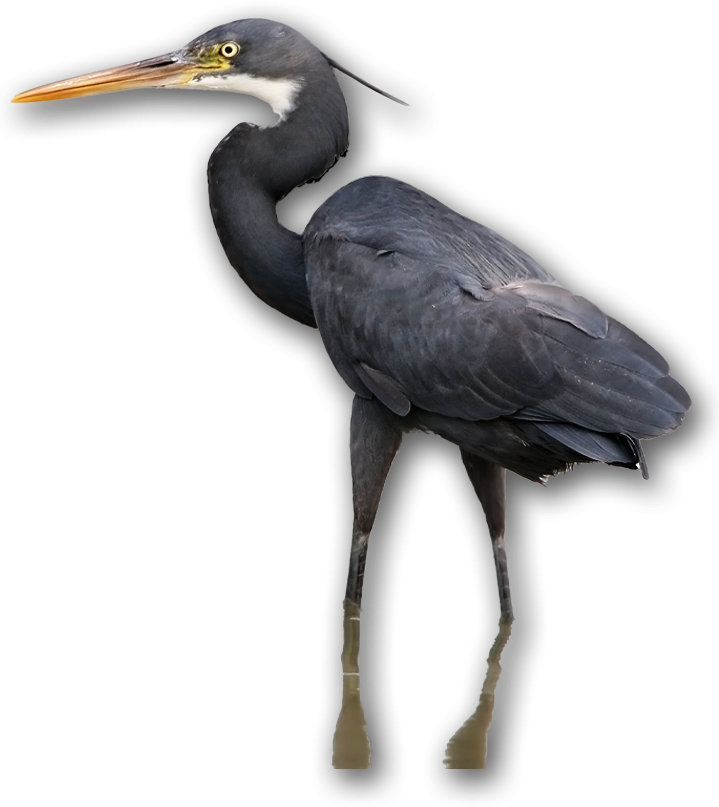
Young wildlife watchers do best when they have a simple mission. Ask a child to be the official spotter for a heron or for the first turtle that lifts its head. When they have a role, attention becomes a game and patience arrives naturally. The captain will help by pointing out subtle signs, like a small wake that moves against the wind or a ripple that circles in a tight pattern near a stand of grass. These cues teach children that the marsh speaks in quiet ways, and the lesson becomes a memory as vivid as any photo.
Consider how sound shapes comfort. The rush of air behind the fan is part of the identity of an airboat, and ear protection turns that sound into a background hum. Guests who are sensitive to noise may prefer over ear muffs that fit softly without pressure. Others choose foam plugs with a gentle seal. Try both before departure if you are unsure. The right choice makes conversation possible during pauses and allows riders to absorb interpretation without strain. That small detail shapes how rested everyone feels at the end of the tour.
Prepare smart, ride safe, enjoy more
A great airboat tour is a partnership between guests and crew. You bring curiosity, respect for the landscape, and a few thoughtful items that keep you comfortable. The team brings skill, preparation, and a boat that is maintained with care. Together you create moments that linger long after the engine is quiet and the dock is behind you. The best proof of success is the way time seems to stretch on the water. Minutes feel like hours in the best way because your senses are full and your mind is free of small concerns. Comfort and safety work like a quiet stagehand so the star can shine. The star is the Everglades itself, wide and bright and alive with a thousand small stories.
If you want to double check a detail, look over answers to common questions before you arrive. The FAQ page explains policies for weather, age limits, reservations, and rescheduling, along with additional notes on what to bring during cooler mornings or warm afternoons. Reading those notes takes only a moment and makes everything easier on the day of your ride. You will step onto the dock with all the small decisions already made, ready to relax into the glide and watch the grasses part as your captain sets course across the River of Grass.
Wildlife is free to roam, water levels change with the season, and routes may shift with weather. Captains follow respectful distances near animals and adjust speed to maintain comfort for every guest.
Back to Blogs