Fall in the Everglades: What Changes as the Wet Season Winds Down
September is a turning point in the Everglades. The wet season is still going, but the end is in sight. Over the next couple of months, the rains start to ease, the water slowly begins to drop, and the whole system starts shifting toward the dry season that so many visitors wait for.
If you’re thinking about an airboat tour this fall, here’s what’s changing out on the water and how to plan around it.
Where things stand in September
By September, the Everglades has had months of summer rain. Water levels are high, the sawgrass is green, and wildlife is spread out across a huge area because there’s water almost everywhere. Afternoon thunderstorms are still common, so mornings remain the best bet for a comfortable ride.
High water has its perks. The landscape looks lush and full, and an airboat can cover a lot of ground across the flooded prairie.
What changes in October and November
As the rainy season winds down, the daily storms become less frequent and humidity starts to ease. Slowly, water levels begin to drop. That matters for wildlife: as the water recedes, animals begin to gather in the deeper areas that still hold water, which can make sightings more likely as the season goes on.
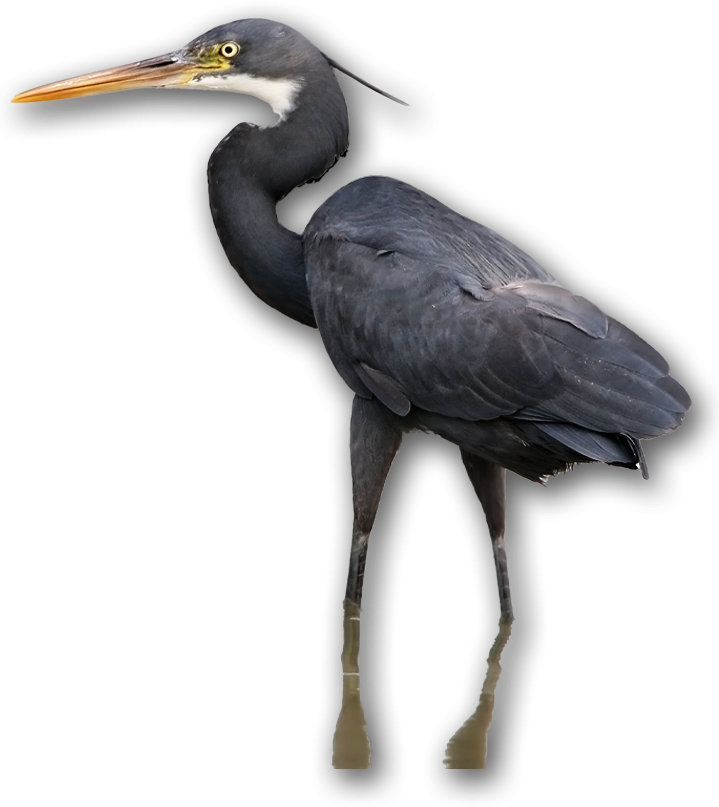
Fall is also when migratory birds start arriving for the winter, adding to the wading birds that live here year round.
Winter is peak season, so plan ahead
From December through April, the dry season brings lower water, mild temperatures and concentrated wildlife. It’s also when South Florida fills up with seasonal residents and visitors, and when tours are most in demand. We covered what that looks like in December in the Everglades.
If you already know you want to go out during the holidays or while family is in town this winter, it’s worth booking early. Private tours only hold one group per boat, so the most popular dates go first.
Why a fall tour is worth considering
- Cooler mornings. The worst of the summer heat is starting to fade.
- Fewer crowds. Before the winter rush, it’s often easier to get the date and time you want.
- A landscape in transition. You’ll see the Everglades between its two seasons, still green and full, with wildlife starting to concentrate.
For a deeper look at how the seasons compare, read our guide to the best time to visit the Everglades.
Fall tour tips
- Book a morning tour to avoid late-day storms, which can still pop up in September and early October.
- Keep an eye on the tropics. It’s still hurricane season, so check the forecast before your date and call us with any questions.
- Apply sunscreen before boarding and bring sunglasses, secure clothing and a protected phone or camera. Food and drinks are not allowed on the ride, so plan refreshments before or after your tour.
Book your tour
Swamp Monsters runs private Everglades airboat tours from 15490 Loxahatchee Road in Parkland, about 90 minutes on the water with room for up to 7 riders. See tour options and rates, check our FAQ, or call 561-247-0393 to lock in a fall or winter date.
Frequently Asked Questions
Is September a good time for an airboat tour?
Yes. Water levels are high and the scenery is green and full. Morning tours are the most comfortable, since afternoon storms are still common.
When does the Everglades dry season start?
The dry season generally runs from about December through April. The fall months are the transition from wet to dry.
When is wildlife easiest to see?
As water levels drop into the dry season, animals gather around the remaining deeper water, which often makes sightings more likely.
Should I book winter tours in advance?
It’s a good idea. Winter is the busiest season, and private tours hold one group per boat, so popular dates fill up first.
Back to Blogs