Baby Alligators in the Summer Everglades
There’s one season a year you can see baby alligators in the wild. Late June through August. The rest of the year, they’re either eggs in a nest or fully grown adults you’d never identify as “this year’s brood.” If you’ve ever wanted to spot a 10-inch hatchling stacked on a log next to its mom, this is the window. After Labor Day, it’s gone until next summer.
When and where baby alligators appear
The nesting calendar is consistent year over year.
Eggs laid: mid-June. Female alligators build mound nests of vegetation and mud on raised banks. The decomposing vegetation creates heat, which incubates the eggs.
Hatch: late July through August. Hatchlings emerge over a few weeks as the eggs in a nest finish incubating. The mother often helps them out of the nest, gently breaking the eggs in her jaws.
Peak visibility: August. This is when you can reliably spot hatchlings sunning on logs, stacking on each other, or riding on their mother’s back.
They stay near the nest and the mother for the first several months. By late September, they start to spread out. By winter, you can no longer tell a “this-year” hatchling from any other small gator. The window closes around Labor Day.
Spotting a nest from an airboat
Captains know which spots produce nests every year.
What we look for:
- Mounded vegetation on raised banks, 2 to 3 feet tall, often near cypress or sawgrass edges
- Mother alligator within 20 feet of the nest, always
- Disturbed water around the bank where she enters and exits
- Tracks in the mud
We stay back. We don’t get close. The captain knows the working distance and won’t push it for a photo. Binoculars or a zoom lens helps, but even at the safe distance most riders can clearly see hatchlings stacked on a log or piled on the mother’s back.
Photographing baby gators
This is the year you get the photo. Three tips:
Use a zoom lens, 200mm or longer if you have one. Phone zoom usually loses the shot because the boat moves and digital zoom gets pixelated fast.
Ask for the photo stop on a private tour. On a private tour, the captain can kill the engine for two or three minutes near a nest. On group tours, we can’t always stop because the next group is queued. This is one of the strongest arguments for booking private in August.
Morning light is better than midday. Soft light, the gators are basking, water is calm. Past 10:30 AM, the sun is overhead and the photos go flat. We covered the morning timing in the best time of day guide.
If you’re a serious photographer, bring a polarizer to cut the glare off the water. Hatchlings under the surface show up clearly with a good polarizer.
Mother alligators, why we keep distance
Mother gators are the only gators that will actually charge a boat.
Most of the year, alligators ignore us. They’re cold-blooded ambush predators and we’re not on the menu. But during nesting and hatchling season, mothers get protective in a way you don’t see the other 10 months of the year. They will charge a boat that gets too close.
We respect that distance for our safety, the riders’ safety, and the nest’s safety. The hatchlings are fragile, the mother is stressed, and pushing in for a closer photo is the move that turns a great tour into a bad story. This is non-negotiable on our boats.
Other summer wildlife babies
Hatchlings aren’t the only newborns out there.
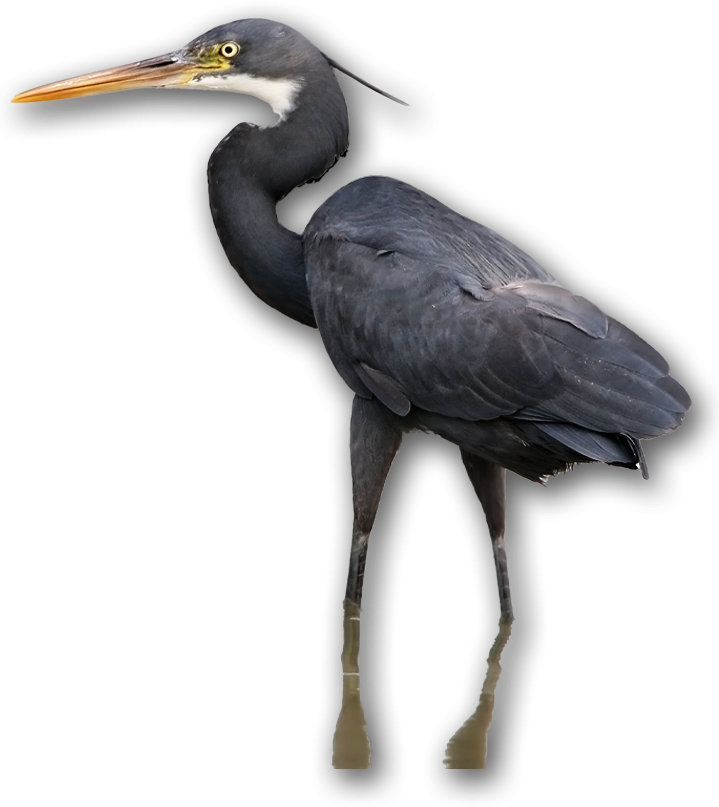
- Wading bird chicks. Egrets, herons, ibis. Look for fluffy juveniles near treeline rookeries.
- Fledgling herons stretching wings, sometimes near where they hatched, sometimes already moving.
- Turtle hatchlings. Occasional sightings on logs, especially around shaded inlets.
- Anhinga and cormorant young near the treeline, often visible from the water.
The Everglades in late summer is one of the most active wildlife nurseries in the southeast. If birds are your thing, August is the month.
Best time of day to see them
Morning, same answer as everything else in summer.
- 9 AM: Basking is starting. Mother alligators sun themselves on banks with hatchlings piled on top of them. Peak chance for the photo everyone wants.
- 10:30 AM: Still good. Slightly more heat, slightly more storm risk, but the marsh is still active.
- 11:30 AM+: Wildlife starts moving back into deeper cover to escape the heat. Sightings drop. Storm window opens.
Morning is the move. The why summer is the best season post covers the broader why behind morning bookings.
What we will and won’t do on a private tour
We’ll stop. We won’t get reckless.
- Yes to photo stops near nests (at safe distance)
- Yes to engine-off observation for two to three minutes
- Yes to slowing down and rerouting to pass a known nest spot
- No to getting within striking range of a mother alligator
- No to interfering with anything (no chumming, no calls, no provoking a reaction)
- No to pushing in for a “better angle” when the mother is showing stress
We’ve been doing this long enough to know when a mother gator is twitchy versus calm. The captain reads it and makes the call.
FAQ
Is it safe to be near baby alligators?
From the boat, yes. We don’t get out near nests, period. The boat is safe at the working distance we stay at.
How small are they when you see them?
Hatchlings are about 8 to 10 inches when they emerge in late July. By late August they’re closer to 12 to 14 inches.
Can the captain stop the boat for photos?
Yes, on a private tour. That’s a big reason to book private in August. Group tours can’t always stop because the schedule is tight.
Will I see them every tour?
Not guaranteed. Captains know the productive spots, but wildlife moves. August is the highest hit rate.
Why do you keep distance from the nest?
Mother alligator is protective and we don’t push her. Also, it’s the right thing to do for the nest.
Can I touch a baby alligator?
No. Even if one swims near the boat. It’s illegal under Florida wildlife law and dangerous because the mother is always close.
Catch the hatchling window before it closes
Late July through August is peak. Book a private morning tour now to lock in the slot.
Call (561) 247-0393 or use the booking form.
Related Airboat Tours
- Florida Everglades Tour Coral Gables
- Discover the Best Everglades Tour Near Coral Springs
- Private Airboat Tour Boca Raton
Ready to see it in person? Book a private Everglades airboat tour with Swamp Monsters, launching from Parkland, a short drive from Boca Raton, Fort Lauderdale and West Palm Beach.
Back to Blogs